In the realm of sexual exploration, homemade sex toys offer a unique blend of creativity, intimacy, and affordability. The idea of crafting your own toys can be both exhilarating and liberating, allowing you to tailor your experiences to your personal preferences. Just as some may wonder, "Are diamond paintings difficult to make?" when considering a new hobby, many might question the complexity of creating their own sex toys. Whether you're looking to enhance solo play or introduce something new into your partnered activities, making your own sex toy can be a fulfilling endeavor.
Engaging in such diy projects not only sparks creativity but also ensures that safety and hygiene remain at the forefront of your mind.Creating DIY sex toys not only saves money but also opens up a world of possibilities that store-bought options may not provide. You can experiment with different shapes, sizes, and materials that resonate with your desires. From simple items found around the house to more sophisticated creations using body-safe materials, the options are virtually limitless. This journey into homemade toys can also foster a deeper connection with your body and your partner, as you explore what feels good in a safe and consensual environment.However, it is crucial to prioritize safety when embarking on this creative path.
Not all materials are suitable for intimate use; some can harbor bacteria or cause irritation. Understanding which materials are safe and how to properly clean and maintain your creations is essential for ensuring a pleasurable experience without compromising your health. By focusing on safe practices while indulging in the fun of making sex toys, you can enjoy the best of both worlds—pleasure and peace of mind.As we delve deeper into this topic, we will explore the best materials for crafting effective and safe homemade sex toys, along with practical tips for hygiene and care. Get ready to unleash your creativity while keeping safety at the forefront of your DIY adventures!
Understanding Safe Materials for Homemade Sex Toys
When embarking on the journey of creating homemade sex toys, understanding the materials you choose is paramount for ensuring safety and enjoyment.Not all materials are created equal, and some can pose health risks if used improperly. Here, we will delve into the best options for safe materials that are ideal for crafting your own intimate toys.
1.Medical-Grade Silicone
- Medical-grade silicone is one of the top choices for homemade sex toys due to its non-porous nature, which prevents bacteria from harboring.
- This material is hypoallergenic, making it suitable for individuals with sensitive skin or allergies.
- It is also flexible and can be molded into various shapes, allowing for creativity in design.
- Cleaning is straightforward; simply wash with warm water and mild soap or use a dedicated toy cleaner.
2.Glass
- Glass is another excellent option for homemade sex toys. It is smooth, non-porous, and can be easily sanitized.
- One of the unique features of glass toys is their ability to retain temperature; they can be heated or cooled for enhanced sensations during use.
- Ensure that you use tempered or borosilicate glass to avoid breakage during use.
3.Stainless Steel
- Stainless steel is a durable and non-porous material that offers a different kind of stimulation due to its weight and firmness.
- This material can also be heated or cooled, providing varied sensory experiences.
- Like glass, stainless steel can be easily cleaned and sanitized, making it a hygienic choice.
4.Food-Grade Silicone
- If medical-grade silicone is not available, food-grade silicone can serve as a suitable alternative for non-insertable toys.
- This material is generally safe but may not have the same level of durability or hypoallergenic properties as medical-grade options.
5.Natural Materials
- Some individuals may opt for natural materials like wood or stone; however, caution is advised.
- If using wood, ensure it is sealed properly to prevent splinters and bacteria absorption.
- Natural stones should be smooth and free from cracks to avoid injury during use.
Always remember to practice good hygiene by cleaning your toys before and after each use to ensure a safe and pleasurable experience.
Top Recommended Materials for DIY Sex Toys
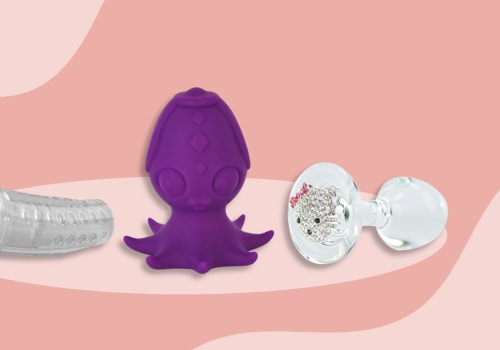
When it comes to creating your own sex toys at home, the choice of materials is crucial for both safety and pleasure. Here, we delve into some of the best materials for sex toys , focusing on silicone, glass, and stainless steel, each offering unique benefits and applications.Silicone: The Versatile Favorite
Silicone is one of the most popular materials for homemade sex toys due to its flexibility, hypoallergenic properties, and ease of cleaning. Medical-grade silicone is non-porous, meaning it won’t harbor bacteria or other harmful substances, making it a safe choice for intimate use.- Benefits:
- Hypoallergenic and safe for sensitive skin.
- Can be molded into various shapes and sizes.
- Easy to clean with soap and water or a dedicated toy cleaner.
- Uses:
- Ideal for dildos, vibrators, and other insertable toys.
- Can be used in combination with other materials for added texture.
Glass: The Elegant Option
Glass sex toys are gaining popularity for their aesthetic appeal and unique sensations. Made from tempered or borosilicate glass, these toys are not only beautiful but also incredibly durable.- Benefits:
- Smooth surface provides a luxurious feel during use.
- Can be heated or cooled for temperature play.
- Non-porous and easy to clean, ensuring hygiene.
- Uses:
- Perfect for dildos and anal beads.
- Great for those who enjoy temperature play by warming or cooling the toy before use.
Stainless Steel: The Durable Choice
Stainless steel is an advanced material that offers a unique experience due to its weight and firmness.It’s incredibly durable and can provide intense stimulation.
- Benefits:
- Highly durable and resistant to wear and tear.
- Easily sanitized by boiling or using a dishwasher.
- The weight can enhance sensations during use.
- Uses:
- Ideal for anal toys, dildos, and kegel weights.
- Can be used in temperature play by warming or cooling the metal before use.
Materials to Avoid When Making Sex Toys
When embarking on the journey of creating homemade sex toys, it is crucial to be aware of the materials that pose health risks. Using unsafe materials can lead to infections, allergic reactions, and other serious health issues.Below, we outline some of the most common materials to avoid when making your own sex toys.
- Plastic: Many types of plastic contain harmful chemicals such as phthalates, which are known to disrupt hormonal balance and can lead to reproductive issues. Even if a plastic item appears smooth, it may still harbor bacteria in its porous surface.
- Rubber: Similar to plastic, rubber can contain toxic additives that may cause irritation or allergic reactions. Additionally, rubber is often porous, making it difficult to clean thoroughly and increasing the risk of bacterial growth.
- Wood: While some may consider wood a natural option, it is not suitable for sex toys. Wood can splinter and harbor bacteria in its grain, posing significant health risks.
Furthermore, untreated wood can absorb moisture and odors, making it unhygienic.
- Household Items: Using everyday items like fruits or vegetables as makeshift sex toys can be risky. Not only do they lack proper cleaning protocols, but they can also break apart during use, leading to injury or infection. Additionally, many household items are not designed for internal use and may cause irritation.
- Foam: Foam materials are often porous and can trap bacteria. They are also difficult to clean properly, which increases the risk of infections.
Avoid using foam in any homemade sex toy intended for insertion.
Hygiene Practices for Homemade Sex Toys
When it comes to homemade sex toys, maintaining proper hygiene is crucial for ensuring a safe and pleasurable experience. Just like any other intimate item, these toys can harbor bacteria if not cleaned and stored correctly.Here are some essential hygiene practices to follow when using and caring for your homemade creations.
Cleaning Your Homemade Sex Toys
Cleaning your homemade sex toys should be a top priority before and after each use. Here are some effective cleaning methods based on the materials used:- Silicone: Use warm water and a mild, unscented soap to wash silicone toys. Rinse thoroughly to remove any soap residue. For deeper cleaning, you can also boil silicone toys for a few minutes or place them in the dishwasher (top rack only).
- Glass: Glass toys can be cleaned similarly with warm water and soap.
They can also be sterilized by boiling or using a 10% bleach solution, followed by thorough rinsing.
- Stainless Steel: Stainless steel toys are non-porous and easy to clean. Wash them with soap and water, or sterilize them in boiling water or a bleach solution.
Hygiene Tips for Safe Use
In addition to cleaning, here are some hygiene tips to keep in mind:- Wash Your Hands: Always wash your hands thoroughly with soap and water before handling your homemade sex toys. This helps prevent the transfer of bacteria.
- Use Condoms: If you plan to share your homemade toy with a partner, consider using a condom over the toy. This adds an extra layer of protection against infections.
- Avoid Sharing: If possible, avoid sharing your homemade sex toys altogether.
If sharing is necessary, ensure that they are cleaned properly between uses.
Storing Your Toys Safely
The way you store your homemade sex toys can also impact their hygiene. Here are some storage tips:- Keep Them Clean: Ensure that your toys are completely dry before storing them to prevent mold and bacteria growth.
- Use a Storage Bag: Consider using a soft storage bag or container that is specifically designed for sex toys. This keeps them dust-free and protected from damage.
- Avoid Direct Sunlight: Store your toys in a cool, dark place away from direct sunlight to prevent degradation of materials.
Step-by-Step Guide to Making Your Own Sex Toys
Creating your own sex toys can be an exciting and fulfilling way to explore your sexuality.Whether you're a beginner or have some experience, this step-by-step guide will help you make safe and effective homemade sex toys. Below are detailed instructions for various types of toys, catering to different skill levels.
1.Basic Silicone Dildo
This is a great starting point for beginners. You will need:- Body-safe silicone (available at craft stores)
- A mold (you can use a disposable container or an object you want to replicate)
- Mixing tools
- Gloves for hygiene
Instructions:
- Put on your gloves to maintain hygiene.
- Mix the silicone according to the package instructions.
- Pour the silicone into your mold, ensuring it covers the desired shape.
- Allow it to cure as per the instructions (usually 24 hours).
- Once cured, carefully remove it from the mold and clean it with warm water and mild soap.
2.DIY Vibrator Using Household Items
If you're looking to add some vibration to your homemade toys, consider this simple method:- An electric toothbrush or a small vibrating device
- A soft, body-safe material (like a sponge or silicone)
- A condom for hygiene
Instructions:
- Wrap the vibrating device in the soft material.
- Secure it with a condom to ensure cleanliness.
- Turn on the device and enjoy your new vibrator!
3.Temperature Play with Ice
This is a fun and easy way to incorporate temperature play into your experience:- A condom
- Water
Instructions:
- Fill the condom with water and tie it securely.
- Place it in the freezer until frozen solid.
- Once frozen, wrap it in a towel and use it for temperature play during foreplay or solo sessions.
With these instructions, you can confidently create your own unique sex toys that cater to your desires!.