In recent years, the trend of creating homemade sex toyshomemade sex toys has gained significant traction among individuals and couples looking to enhance their intimate experiences. The allure of making your own sex toy lies in the combination of creativity, personalization, and cost-effectiveness. Many people are drawn to the idea of crafting a toy that caters specifically to their desires and preferences, allowing for a unique exploration of pleasure that store-bought options may not provide. However, some may wonder, "Do fillers make you look older when" they consider using certain materials in their creations, as the choice of ingredients can impact both aesthetics and safety.One of the primary reasons individuals choose to has gained significant traction among individuals and couples looking to enhance their intimate experiences. The allure of making your own sex toy lies in the combination of creativity, personalization, and cost-effectiveness. Many people are drawn to the idea of crafting a toy that caters specifically to their desires and preferences, allowing for a unique exploration of pleasure that store-bought options may not provide. However, some may wonder, "Do fillers make you look older when" they consider using certain materials in their creations, as the choice of ingredients can impact both aesthetics and safety.One of the primary reasons individuals choose to make sex toys at home is the opportunity for customization.
Unlike mass-produced products, homemade toys can be tailored to fit personal tastes, whether it’s adjusting size, shape, or texture. This level of personalization can lead to a more satisfying experience, as users can create something that resonates with their specific needs and fantasies. Additionally, the DIY approach often fosters a sense of empowerment and ownership over one’s sexual health and pleasure.Moreover, the financial aspect cannot be overlooked. Many people find themselves on a budget but still want to explore their sexuality without compromising on quality or safety.
Homemade sex toys can be made from readily available materials, making them an accessible option for those who may not have the means to invest in expensive commercial products. However, while the benefits are enticing, it is crucial to approach this creative endeavor with caution and awareness of potential health risks.As we delve deeper into the world of homemade sex toys, it becomes essential to balance creativity with safety. Understanding the materials used and maintaining proper hygiene practices are vital steps in ensuring that this exploration remains enjoyable and free from health concerns. In the following sections, we will discuss how to navigate these aspects effectively while still embracing the fun and excitement that comes with making your own intimate devices.
Potential Health Risks Associated with Homemade Sex Toys
When it comes to homemade sex toys, the allure of creativity and personalization can often overshadow the potential health risks involved.Understanding these risks is crucial for anyone considering making their own toys. Here are some of the primary concerns associated with DIY sex toys:
- Injury Risks: One of the most immediate dangers of using homemade sex toys is the risk of physical injury. Items not designed for sexual use can have sharp edges, break easily, or be made from materials that can cause harm. For instance, using a household object like a hairbrush or a kitchen utensil can lead to cuts, bruises, or more severe injuries if they break during use.
- Infection Hazards: Hygiene is paramount when it comes to sexual health.
Homemade toys may not be easily sanitized, especially if they are made from porous materials that can harbor bacteria. Using unclean items can lead to infections such as bacterial vaginosis or urinary tract infections (UTIs). Always ensure that any homemade toy is thoroughly cleaned before and after use.
- Toxic Materials: Many common household items are not safe for intimate use. For example, certain plastics can leach harmful chemicals when they come into contact with bodily fluids.
Materials like rubber or vinyl may contain phthalates, which are known to disrupt hormonal balance and pose other health risks. It’s essential to research and select materials that are body-safe and non-toxic.
- Allergic Reactions: Some individuals may have allergies or sensitivities to specific materials. Using a homemade toy made from an unknown substance could trigger an allergic reaction, leading to discomfort or more serious health issues. Always opt for materials that are hypoallergenic and safe for skin contact.
This includes:
- Researching Materials: Before starting your DIY project, take the time to research which materials are safe for sexual use. Look for options like silicone, glass, or stainless steel that are specifically designed for intimate contact.
- Using Protection: Always use condoms on any insertable homemade toys to create a barrier against bacteria and reduce the risk of injury.
- Practicing Good Hygiene: Clean your homemade toys thoroughly with warm water and mild soap before and after each use. Consider using a disinfectant safe for the material of your toy.
Choosing Safe Materials for Homemade Sex Toys
When it comes to making sex toys at home, the choice of materials is crucial for ensuring safety and enjoyment. Using the right materials can prevent injuries and infections, while the wrong ones can lead to serious health risks.Here’s a guide to help you select safe options for your DIY creations.
Body-Safe Materials
- Silicone: This is one of the most popular materials for sex toys due to its non-porous nature, which makes it easy to clean and sterilize. Silicone is also flexible and can be molded into various shapes, making it ideal for homemade designs. Ensure that you use 100% medical-grade silicone, as some cheaper versions may contain harmful additives.
- Glass: Glass is another excellent choice for homemade sex toys. It is non-porous, easy to clean, and can be heated or cooled for temperature play.
When using glass, make sure it is specifically designed for sexual use to avoid breakage or sharp edges.
- Stainless Steel: This material is durable, non-porous, and easy to sanitize. Stainless steel toys can also provide unique sensations due to their weight and temperature retention. Just like glass, ensure that any stainless steel items you use are smooth and free from sharp edges.
- Certain Woods: While not as common, some hardwoods can be safe if properly treated and sealed. Make sure the wood is non-toxic and has a smooth finish to prevent splinters.
Always apply a body-safe sealant before use.
Avoiding Harmful Household Items
While it might be tempting to use everyday items as makeshift sex toys, many common household objects can pose significant risks:
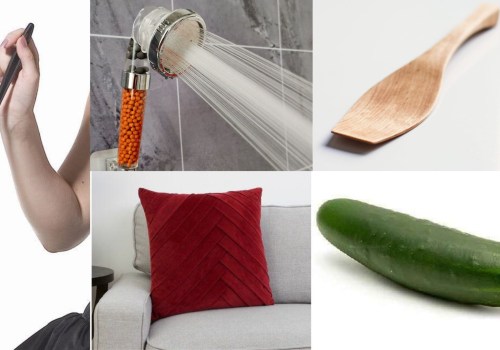
- Cucumbers: Although they may seem like a natural option, cucumbers can break easily and cause injury. Additionally, they are porous and can harbor bacteria.
- Hairbrushes: These often have sharp edges or small parts that can cause cuts or irritation during use.
- Candles: The wax from candles can burn sensitive areas or cause allergic reactions. It’s best to avoid using them altogether.
By being mindful of your material choices, you can enjoy a safer and more pleasurable experience with your homemade creations.
Hygiene Practices for Homemade Sex Toys
When it comes to homemade sex toys, maintaining proper hygiene is crucial for ensuring a safe and pleasurable experience. Just like with any other intimate items, cleanliness can significantly reduce the risk of infections and other health issues. Here are some essential hygiene practices to follow:- Thorough Cleaning Before Use: Always wash your homemade sex toys before using them. Use warm water and a mild, unscented soap to clean the surface thoroughly.
This helps eliminate any bacteria or contaminants that may have accumulated during the crafting process.
- Post-Use Cleaning: After each use, it’s vital to clean your toys again. This prevents the growth of bacteria and ensures that they remain safe for future use. Rinse them under warm water and apply a gentle soap, then rinse thoroughly to remove any soap residue.
- Drying Properly: After cleaning, allow your homemade sex toys to air dry completely before storing them. This helps prevent moisture buildup, which can lead to mold or bacterial growth.
If you prefer, you can use a clean towel to pat them dry, but ensure the towel is also clean.
- Storage Considerations: Store your homemade sex toys in a clean, dry place away from direct sunlight. Consider using a dedicated storage bag or container to keep them protected from dust and other contaminants. Avoid storing them with other items that may not be clean.
Using Protection:
In addition to cleaning your homemade sex toys, using protection is an essential step in maintaining hygiene. Here are some tips on how to incorporate protection into your routine:
- Condom Usage: Always use a condom on any insertable homemade sex toy.
This provides a barrier that helps prevent the transfer of bacteria and bodily fluids, reducing the risk of infections.
- Change Condoms Between Uses: If you plan to switch between different body areas or partners, change the condom each time. This practice further minimizes the risk of cross-contamination.
DIY Tips for Crafting Safe and Fun Sex Toys
Creating your own sex toys can be an exciting and fulfilling endeavor, but it’s essential to prioritize safety throughout the process. Here are some practical tips to help you craft safe sex toys that are both enjoyable and secure.- Choose Body-Safe Materials: The first step in making a homemade sex toy is selecting materials that are safe for your body.
Opt for non-porous, body-safe options such as silicone, glass, or stainless steel. Avoid materials that can harbor bacteria or cause irritation, such as porous woods or certain plastics.
- Research Before You Create: Before diving into your DIY project, take the time to research the materials you plan to use. Ensure they are non-toxic and suitable for sexual use. Understanding the properties of each material will help you make informed decisions and avoid potential health risks.
- Be Cautious with Household Items: While it may be tempting to repurpose everyday items as sex toys, many household objects can pose risks.
Items like cucumbers or hairbrushes may seem harmless but can lead to injury or infection. If you choose to use household items, ensure they are thoroughly cleaned and safe for insertion.
- Use Protection: Regardless of the materials used, always employ protection when using homemade sex toys. This means covering any insertable toys with a condom to prevent the transfer of bacteria and facilitate easier cleaning. After each use, clean your toys with warm water and mild soap.
- Test for Comfort: When crafting your toy, consider its shape and size.
Start with smaller designs and gradually work your way up to larger ones if desired. Pay attention to how the toy feels during use; discomfort can indicate that adjustments are needed.
- Maintain Hygiene: Just like commercial sex toys, homemade versions require proper hygiene practices. Clean your toys before and after each use, and store them in a clean, dry place to prevent contamination.
Community Resources and Support for Homemade Sex Toy Enthusiasts
Engaging with a community of like-minded individuals can significantly enhance your experience when it comes to making and using homemade sex toys.Online forums and support groups provide a platform for sharing ideas, experiences, and safety tips, ensuring that you can explore your creativity while prioritizing health and safety.One of the most popular avenues for connecting with others is through homemade sex toy forums. These forums often feature threads dedicated to various aspects of DIY sex toys, including material recommendations, design ideas, and safety precautions. Here are some notable online communities:
- Reddit : Subreddits like r/SexToys and r/DIY offer a wealth of information where users share their homemade creations, discuss materials, and provide feedback on safety practices.
- Facebook Groups : There are numerous private groups focused on DIY sex toys where members can post their projects, ask questions, and receive constructive advice from fellow enthusiasts.
- Specialized Websites : Websites dedicated to sexual health often have forums or community sections where users can discuss homemade toys in a safe environment.
- Blogs and Articles : Many sex educators and health professionals maintain blogs that cover topics related to homemade sex toys. These resources often include safety guidelines, material recommendations, and cleaning tips.
- YouTube Channels : Video tutorials can be particularly helpful for visual learners.
Many creators share their processes for making safe and effective homemade toys while emphasizing hygiene and safety.
- Workshops and Webinars : Some organizations offer online workshops that focus on DIY sex toy creation. These sessions often include expert advice on materials and safety practices.